Settings
 Help
 Logout


From three articles to ten: the quiet reason Cyprus can now fund things that are not research projects
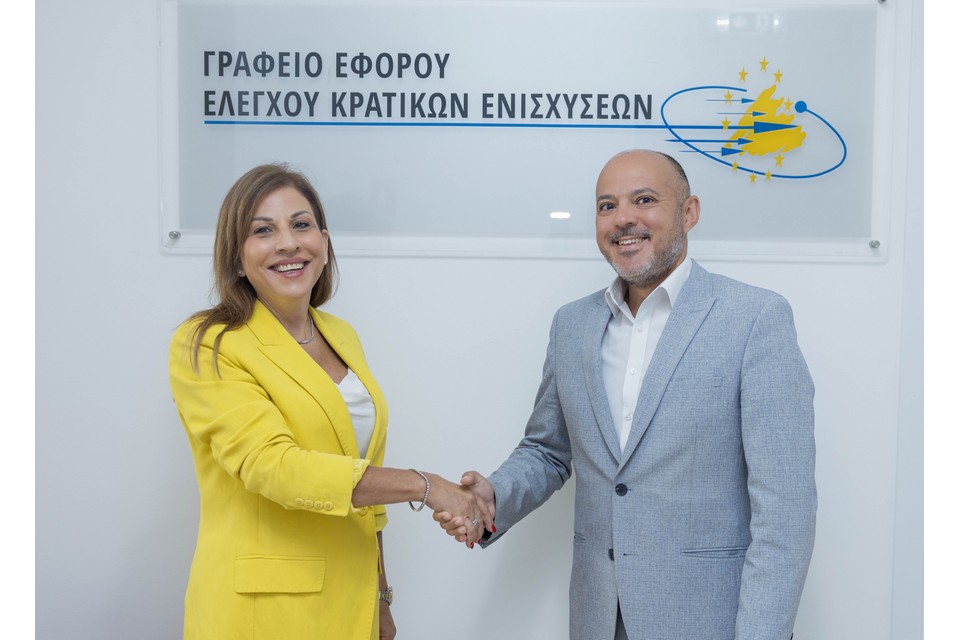
Cyprus' Research and Innovation Foundation (RIF) has more than tripled the number of EU state aid provisions it uses to fund research and innovation — from three key articles in 2016 to ten today. The figure came out of a meeting between State Aid Control Commissioner Stella Michaelidou and RIF Director General Theodoros Loukaidis, who also discussed scheme design and changes to the EU's General Block Exemption Regulation (GBER).
Why anyone building something should care about an article count. Under EU rules, a national funding body can only hand out public money where a GBER article permits it. The set of articles RIF invokes is the set of things RIF is legally able to pay for. Going from three to ten is the difference between funding research projects and funding an ecosystem. The expanded provisions now cover:
- research infrastructure
- process and organisational innovation
- professional training
- innovation clusters
- investment and regional aid
- companies participating in international exhibitions
That last one is not trivia. A Cypriot start-up getting support to stand at a trade fair in Berlin, or an accelerator being funded as a cluster rather than as a research consortium, exists because somebody mapped the activity onto a GBER article first.
What else RIF has added. A Central Knowledge Transfer Office and blended-finance initiatives designed to pull private investment in and push research outputs towards commercialisation. Michaelidou said cooperation between her office and RIF "covered all stages of the preparation of funding schemes", and both sides committed to closer staff-level collaboration on future measures.
The reading between the lines. This is the compliance machinery behind the headline numbers everyone else quotes. Cyprus has absorbed nearly €1bn in competitive research funding over a decade and counts 150+ deep-tech start-ups, about half of them grant-supported; RIF's own director has said the easy part is over and the next phase is scaling and commercialisation. You cannot pivot from grant-funding research to funding commercialisation, training and clusters without first acquiring the legal instruments to do it — which is exactly what the move from three articles to ten is.
And the cost of it. Ten instruments instead of three means ten sets of eligibility rules, state aid ceilings and reporting obligations. Applicants have already noticed: the parallel push to streamline state aid rules for SMEs and the agreement to consult the Commissioner's office earlier in scheme design are both responses to a system that has grown more capable and more complicated at the same time. No figures were published on application-processing times, approval rates, or how much of the expanded toolkit has actually been drawn down — which is the measure that would tell you whether ten articles beat three in practice or only on paper.
29 Sep 2026