Settings
 Help
 Logout


16 flagship programmes and a 2032 deadline: Cyprus names the five industries its AI strategy is for
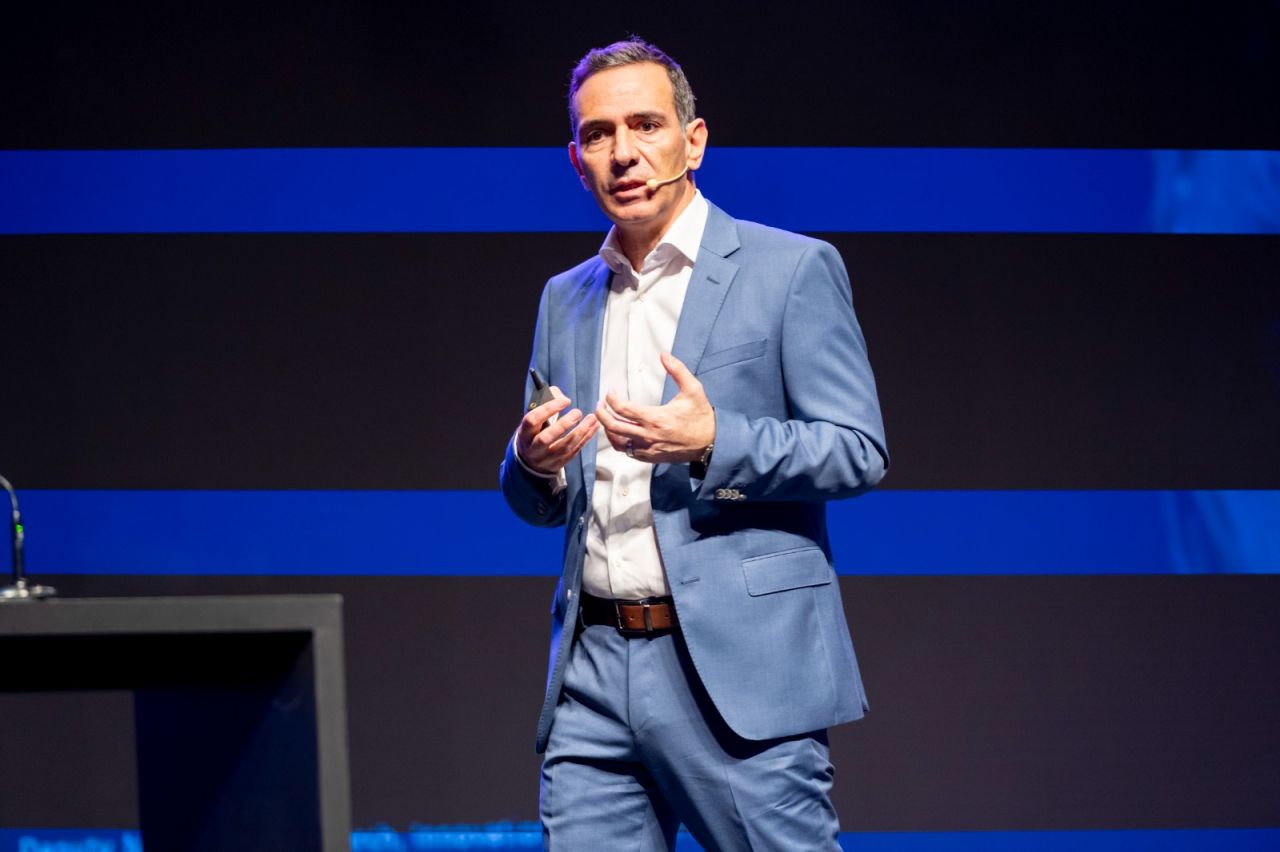
A target, a date, and five industries that are allowed to be the point of it. Speaking at the Digital Agenda Cyprus Summit in Nicosia, Deputy Minister of Research, Innovation and Digital Policy Nicodemos Damianou set out the government's ambition for Cyprus to become "the leading trusted AI hub in the Eastern Mediterranean" and "a reliable European jurisdiction for AI-enabled services" by 2032.
The five priority sectors. Financial services, healthcare, tourism, legal services and shipping. That list is the most informative part of the announcement, because it is short. It maps onto what Cyprus actually does at scale rather than onto what sounds advanced, and four of the five are sectors where the island already has regulatory or commercial density to defend — CySEC-regulated finance, a shipping registry, and a legal-services industry built around both.
The delivery claim. 16 flagship AI programmes planned through to 2032, organised across five areas of work: public-sector modernisation, education and human capital development, entrepreneurship and innovation, responsible AI use, and data infrastructure and computing capacity. The government's stated emphasis is on building workforce capability and supporting smaller businesses rather than only the large organisations that can already buy their way in.
What was not said. No budget allocations and no per-programme timelines accompanied the announcement. Damianou's own framing — "AI can expand what Cyprus is capable of" and "our responsibility is to turn that potential into progress" — is a statement of intent, and sixteen programmes without published figures is a plan rather than a commitment. Judge it against the pieces that do have numbers attached: PHAROS-CY, the €6m national AI Factory Antenna running to March 2029 with access to the 30-petaflop DAEDALUS system, is the compute line item that makes the "data infrastructure and computing capacity" pillar more than a heading.
Why it matters to someone building rather than legislating. Two of the five pillars — education and human capital, and entrepreneurship and innovation — are the ones that fund hackathons, mentoring and skills programmes, and the five named sectors are a reasonable prediction of which challenge briefs get sponsored over the next few years. If your prototype addresses a shipping, legal or health workflow, you are now building inside a stated national priority; that is worth a line in a pitch and, more practically, a look at the next Research and Innovation Foundation call.
15 Oct 2026